
You brew a cup that feels dialed in. Balanced acidity. Structured sweetness. Clean finish. The next morning, you repeat everything. Same beans. Same grind setting. Same kettle. Same ratio. And somehow, it’s different. Slightly faster drawdown. Thinner body. Maybe sharper acidity. Not bad—just not the same.
If you’ve ever wondered why your coffee tastes incredible one day and average the next, you’re not alone. In coffee communities, inconsistency is one of the most common frustrations. The truth is, it’s rarely about doing something “wrong.” It’s about understanding how many small variables influence extraction and how sensitive coffee really is to change.
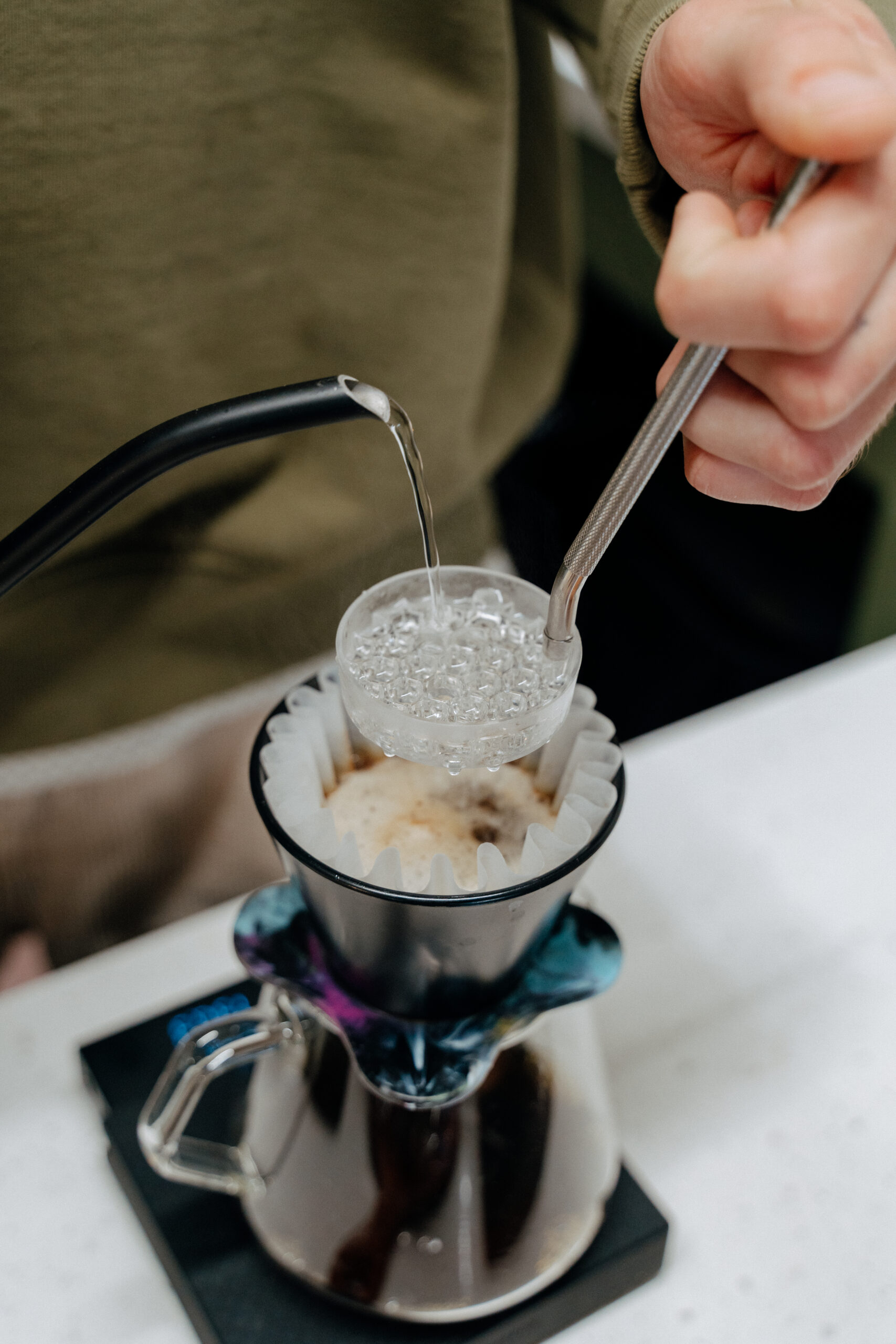
What Consistency Really Means
When we talk about consistency, we’re really talking about extraction yield—the percentage of soluble compounds dissolved from the grounds into your water. Most balanced cups fall between 18% and 22% extraction. Even a small shift of half a percent can change flavor perception dramatically. Too low and the cup feels sour or thin. Too high and it tastes dry or bitter. But many times, inconsistency lives in that narrow middle range, where the coffee isn’t obviously flawed—it just isn’t balanced the same way twice.
Grind Size Is Not Static
You might never touch your grinder dial, but that doesn’t mean your grind stays the same. Coffee beans lose internal moisture as they age, changing how they fracture under burr pressure. The same setting can produce a slightly different particle distribution over time. More fines extract quickly. Larger particles extract slowly. That imbalance shifts flavor clarity and body. Consistency requires adjusting grind based on how the coffee is behaving today—not how it behaved last week.
Humidity and Environment
Environmental changes matter more than most people realize. Humidity affects how grounds clump and how water flows through the bed. Lower humidity can increase static and alter particle spread. Even a 15–20 second change in drawdown time can shift extraction balance enough to affect sweetness and structure. The room changes. The coffee responds.
Water Temperature Stability
Temperature consistency isn’t just about starting at the right number. It’s about maintaining it throughout the brew. If your kettle begins at 203°F but drops significantly during pouring, extraction efficiency shifts. Lower temperatures often favor acids over sugars, leading to cups that feel brighter but thinner. Small temperature fluctuations can change how sweetness develops in the final cup.
Agitation and Pour Technique
How you pour influences turbulence and extraction rate. Heavier pours increase agitation and can pull more solubles from the grounds. Gentle pours reduce movement but may risk uneven saturation. Even bloom behavior affects consistency. Stirring one day and not the next changes how water interacts with the coffee bed. Tiny differences in motion lead to noticeable differences in flavor.
Degassing, water chemistry, and equipment cleanliness all play a critical role in consistency. Fresh coffee contains trapped carbon dioxide that repels water, making early extractions unstable. As beans rest, degassing slows and water interacts more evenly with the grounds, changing how the same recipe performs over time. At the same time, mineral variations in your water—even seasonal shifts—can subtly impact sweetness, clarity, and structure.
Oils left in grinders or brewers oxidize and influence flavor perception as well. What feels like inconsistency is often multiple small variables shifting at once. True consistency comes from observation, daily adjustments, and responding intentionally to what the coffee is doing today.



15 Comments
Estelle3074
June 02, 2026, at 9:32 pmhttps://shorturl.fm/wxH2Y
Darius2276
June 07, 2026, at 6:12 amhttps://shorturl.fm/KEpCx
John2324
June 12, 2026, at 10:48 amhttps://shorturl.fm/8lDs1
Lee4597
June 12, 2026, at 10:50 pmhttps://shorturl.fm/yRy5E
Harvey2767
June 27, 2026, at 9:14 amhttps://shorturl.fm/18skS
Emily577
July 02, 2026, at 4:24 pmhttps://shorturl.fm/h3yiD
Joyce3532
July 18, 2026, at 2:11 amhttps://shorturl.fm/h3cEO
Eliana2662
July 26, 2026, at 4:10 amhttps://shorturl.fm/UuxzY
Annabelle986
July 30, 2026, at 2:35 amhttps://shorturl.fm/LowUZ
Jill3066
August 03, 2026, at 2:24 amhttps://shorturl.fm/4KiQA
daybetcasinologin
September 25, 2026, at 10:56 pmNeeded a new casino login, and daybetcasinologin came through. Secure and easy to use, which is exactly what I wanted. Check them out here: daybetcasinologin.
luckybetregisterlogin
September 30, 2026, at 10:14 pmSigning up took less than two minutes and the welcome offer was exactly as advertised. No hidden conditions and the customer service team guided me through my first deposit patiently. I have been coming back weekly because the whole experience feels honest and well managed. You really need to register and try it luckybetregisterlogin
phjl678
October 01, 2026, at 4:19 amLiving in the Philippines makes finding a reliable gaming site a bit tricky but I finally found a spot that truly understands local players. Withdrawals are handled fast and the interface works perfectly on my phone. I love how they keep adding new titles that match our gaming style. It feels like a home away from home for weekend fun. Keep up the amazing work with the community. phjl678
bdhs555
October 10, 2026, at 3:25 amI have tried quite a few platforms over the years but this one stands out for its transparent terms and fast support response. The game selection is fresh and the bonus rounds trigger often enough to keep things fun. Highly recommend giving it a spin. bdhs555
brbruxobet
October 20, 2026, at 10:00 amI switched over a while back and have not looked back since. The mobile experience is fantastic and I never run into glitches during live sessions. Customer service is always ready to help and the promotions keep coming. Definitely a top choice. brbruxobet